

What exactly is “more is more” and is there a definitive aesthetic to maximalism?
“Maximalism fashion is a style that expresses extravagance and spectacle”
https://www.masterclass.com/articles/maximalist-fashion
I love this quote because it describes maximalism with great beauty. It is that of a performance with luxury or exaggeration. How else could we describe “more is more” than that of exaggeration?
Let us now take a deep dive into the general outlooks of what makes up maximalist fashion and the history behind it.
According to the MasterClass article, minimalism fashion generally takes on monochromatic (only using one color) tones. However, I believe that the article is relating monochromatic tones and minimalism to colors of the basic or capsule wardrobe (i.e. black, grey, white. etc.). If monochromatic is the goal of a maximalist outfit, the theory of “more is more” will be applied to then make the outfit maximal. Then again, the term “monochromatic” does not have to rely solely on color. Pattern is a great way to make a maximalist outfit that still works within the monochromatic scheme.
Much like my interpretation of the Masterclass article, if you as a maximalist reader disagree with others opinions, it is very much okay. Everyone has their own interpretation of maximalism and of fashion itself.
I agree with the article on the basics of what can make up a maximalist fashion look.
- These include but are not limited to:
Accessories. Whether oversized, unique/weird, or flat out dramatic, accessories a lot of the time in maximalist fashion are there to make a statement or add to a statement (but not be the statement like you would see in minimalist styling).


Color. Where to even begin? Color is a major forefront when it comes to creating the aesthetic you want your outfit to portray. Whether you choose to use bold, bright, monochrome, complimentary, contrasting, tertiary, etc. colors… that is up to you.


Pattern. In all honesty, apart from accessories, this is hands down a favorite of mine- especially animal prints and polka dots. Patterns can be worn in a mix-match, or stand alone fashion. An example of a mix-match I love to wear is polka dots and gingham/houndstooth. I think the contrast is not too harsh, but it is enough to create a bold, unique play on textures and the whole look. Patterns in general add boldness to the outfit, and they are great as a layering tool.


Textures. I am going to pair this with layering as well as they both go hand and hand to create different silhouettes. Textures are a great way to add separation and depth to an outfit because they break the outfit apart rather than having the outfit look 1D. A great way to show and utilize textures?Layering.


Now let’s take a look at history.
Separating the actor from the character they play: A lot of people (I say this because when googling, most everything says this) say that the maximalist fashion movement can be seen as far back as the 70s disco era. Honestly, I think people have a tendency to not be able to separate the fashion from the phenomenon. Maximalism as a phenomenon tends to arise after economic hardships, but again, I personally do not think that has anything to do with the style as a whole. Why? Because nowadays everyone dresses for their individual pleasure and personality. Yes, trends do take wave over the masses and their wallets, but as a whole, the individuals personality does not change. This is why we have Pinterest boards with tons of fashion inspo and each individual board is different from the next!!
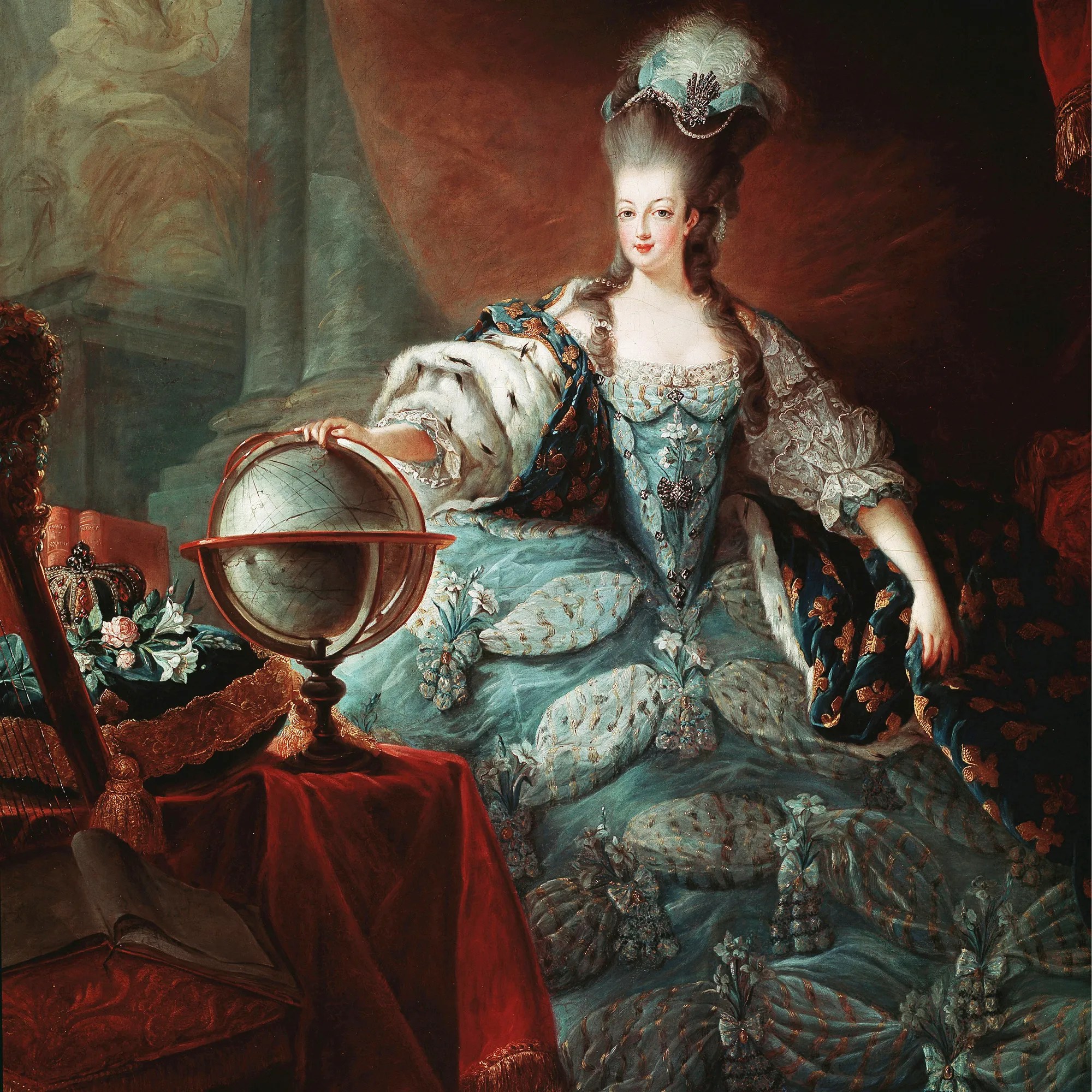
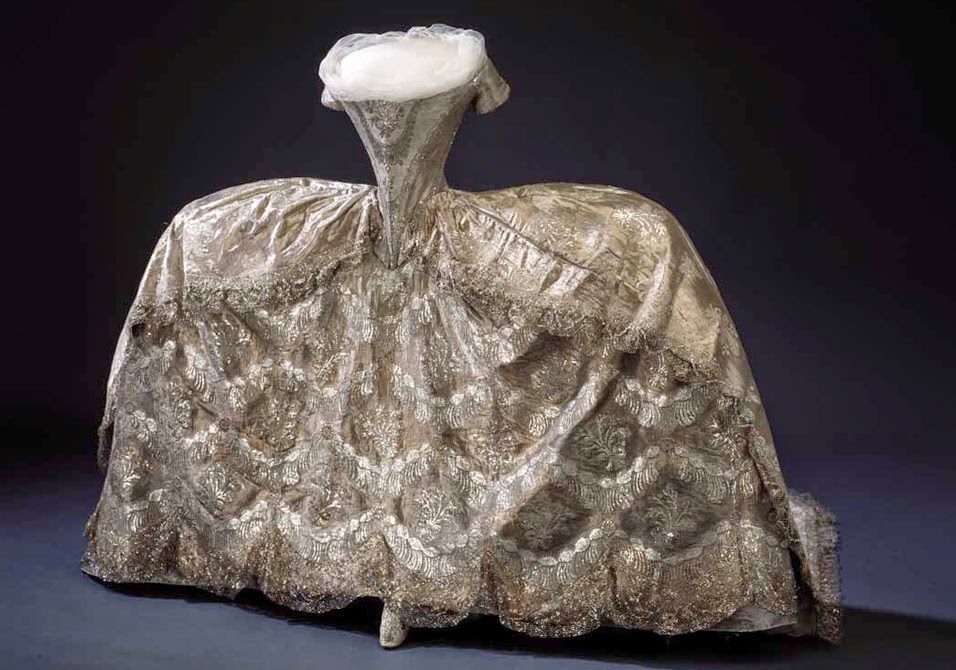
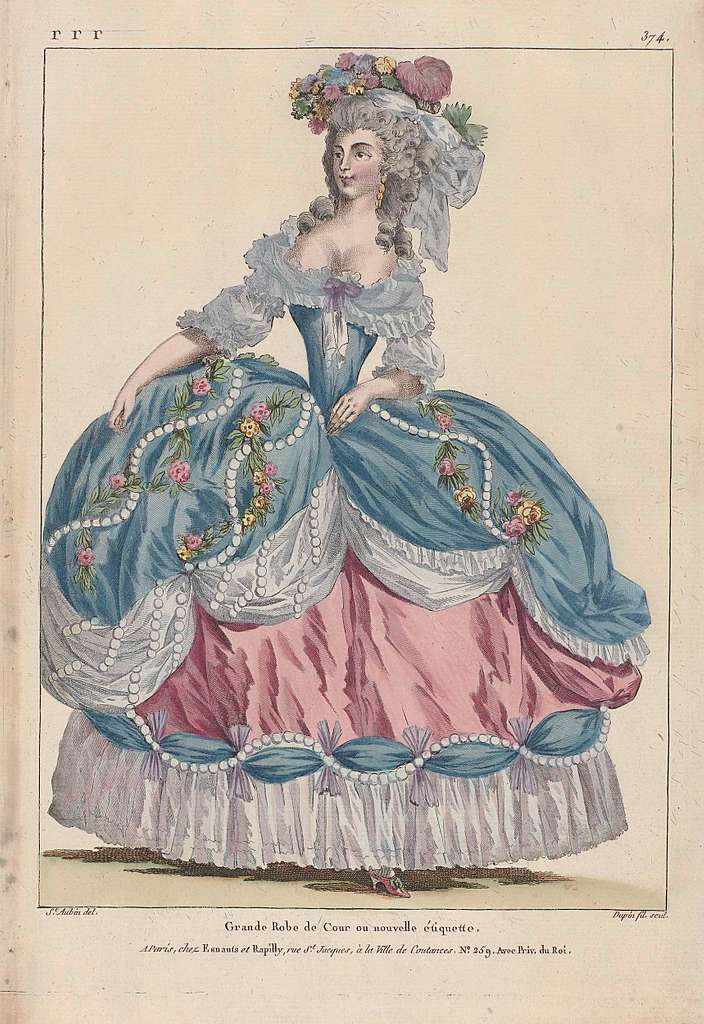
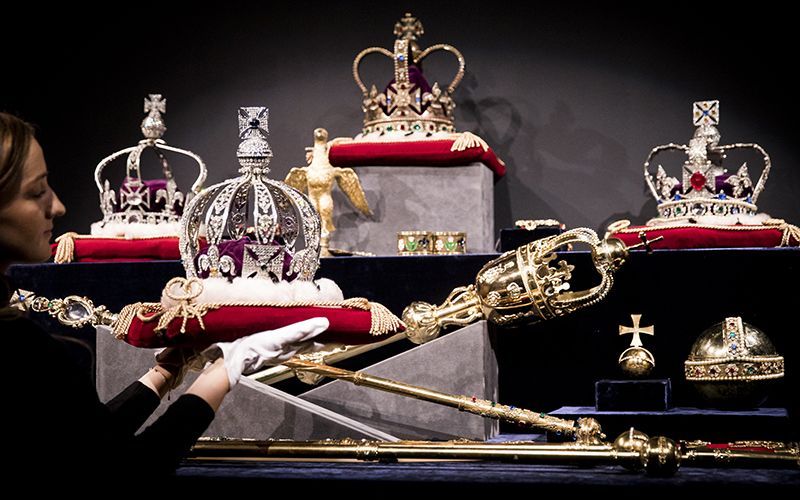
So when did maximalism begin? Honestly, let’s ask Marie Antoinette. No, seriously. Marie Antoinette was rumored to have 300 outfits made for her each year, and she never wore anything twice. If you grew up watching Zack and Cody, you know that Mrs. Marie and London Tipton have that in common- not re-wearing outfits. But Marie Antoinette was not the first queen to have an extraordinary amount of outfits and jewelry that were glamorous, nor would she be the last. I actually have had the pleasure to visit the British “The Crown Jewels” when I visited London, so I can attest that many royals have had their fair share of glamour and excess.
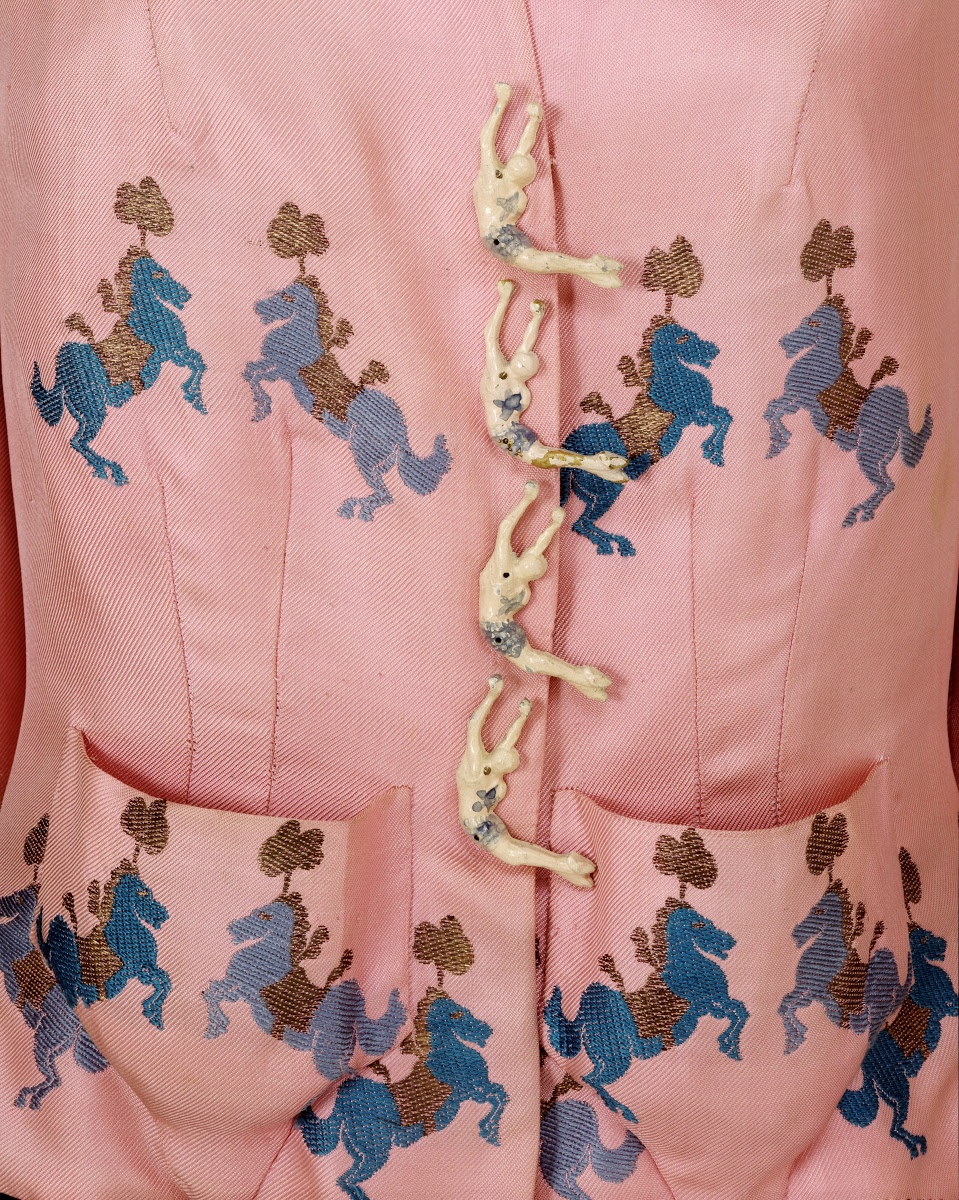
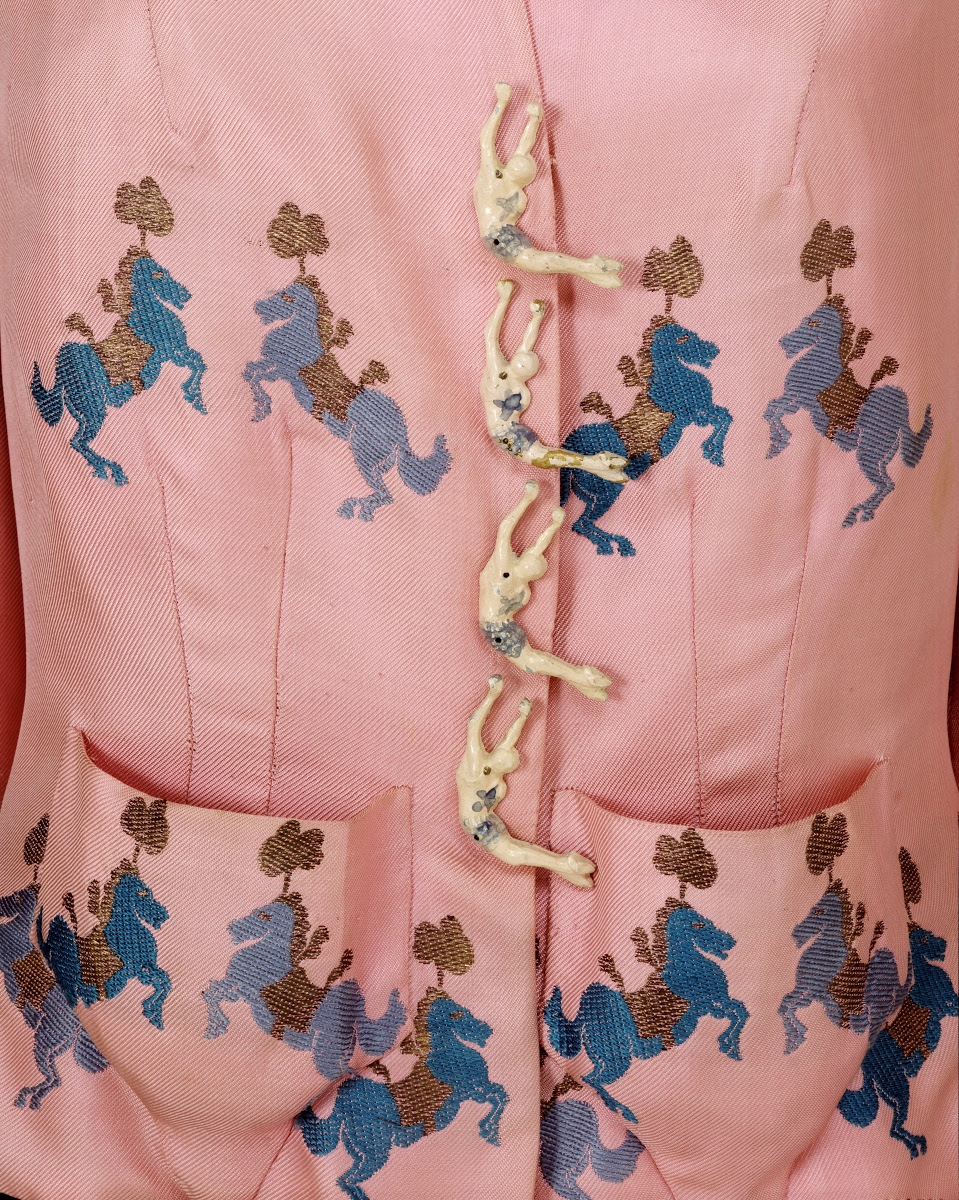
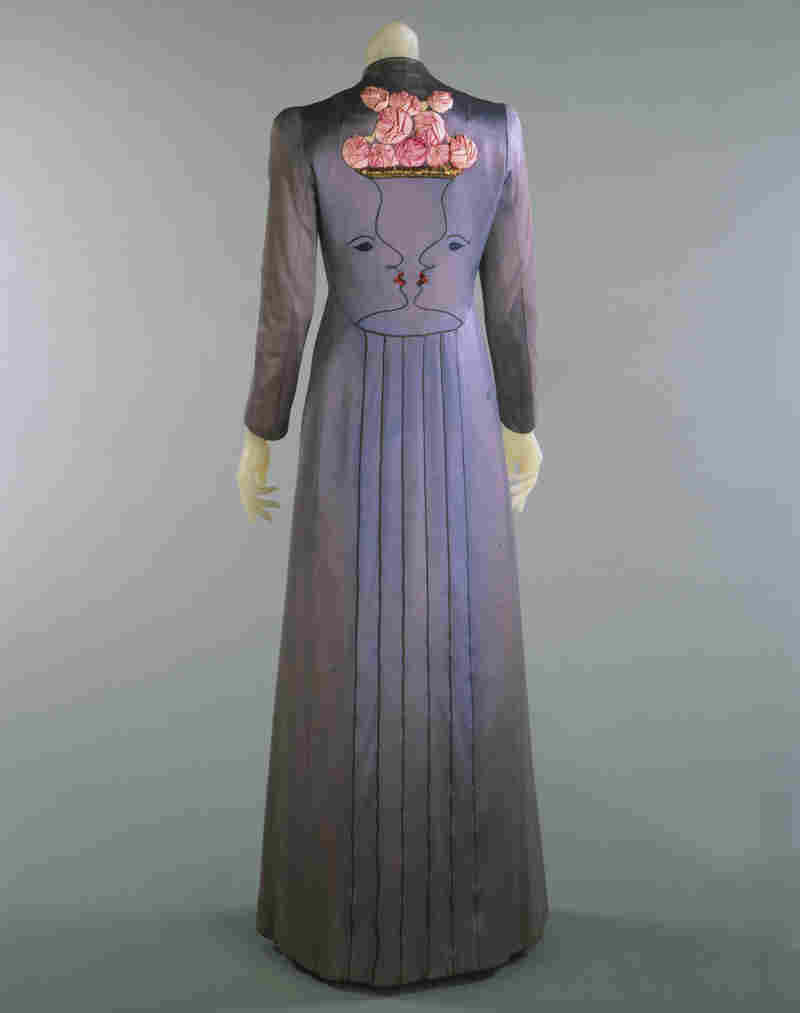
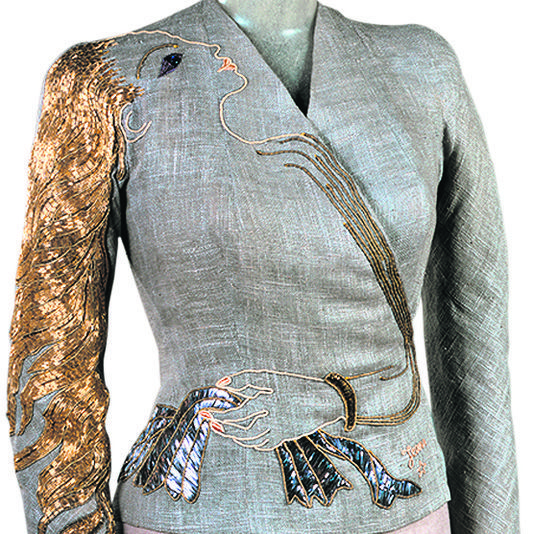
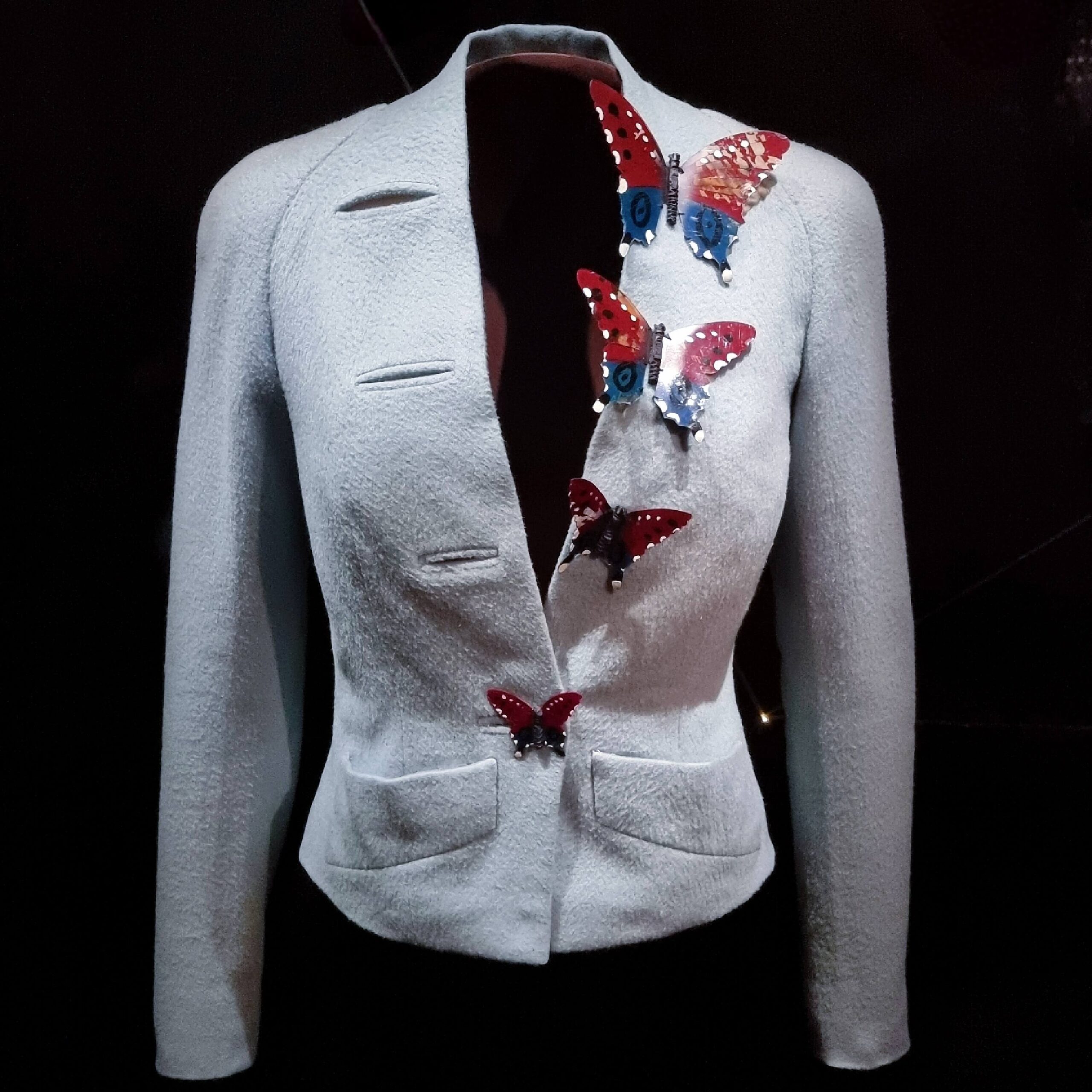
I speak about this brand a lot, but I truly believe that one of the first fashion houses that actually stood on the aesthetic of maximalism was Schiaparelli. However, I am talking all the way back when Elsa herself was the designer in the 30s to 50s. The surrealism/ artist approach to fashion in her house is what gives the maximalist edge to her pieces. After all, maximalism is that of a “spectacle.” We all know of the lobster dress, but her true maximalism work of art to me is the Circus Collection (refer to images). The house today creates wonderful maximalism pieces, but Elsa was truly an artist and way ahead of her time.

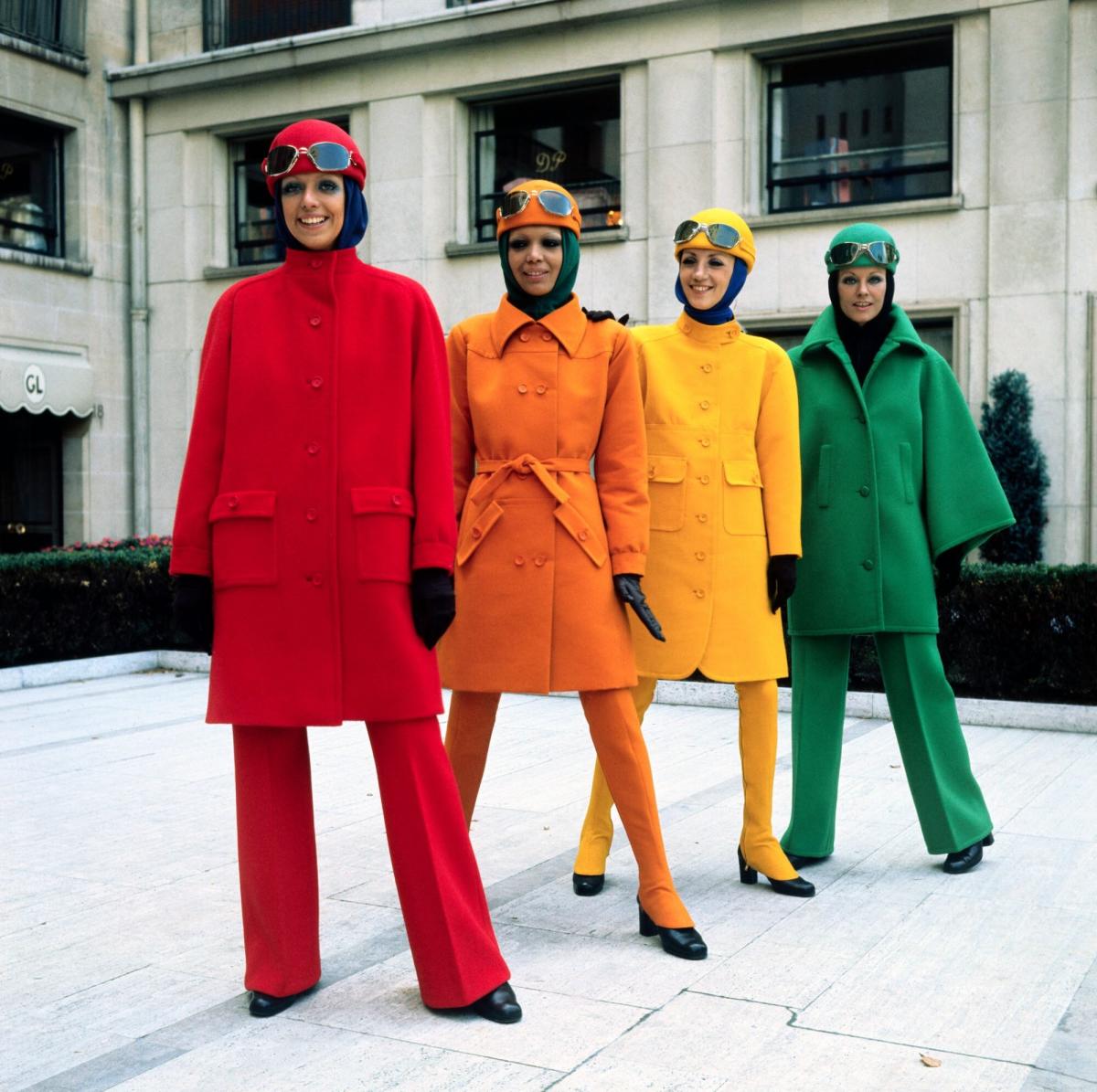
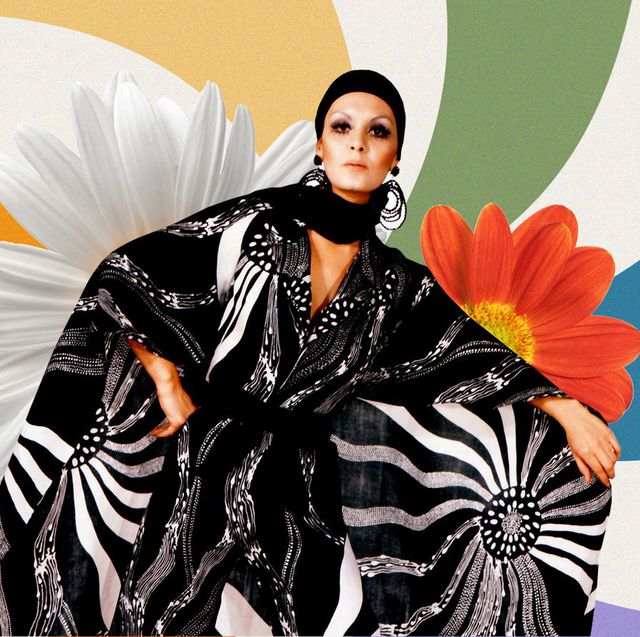
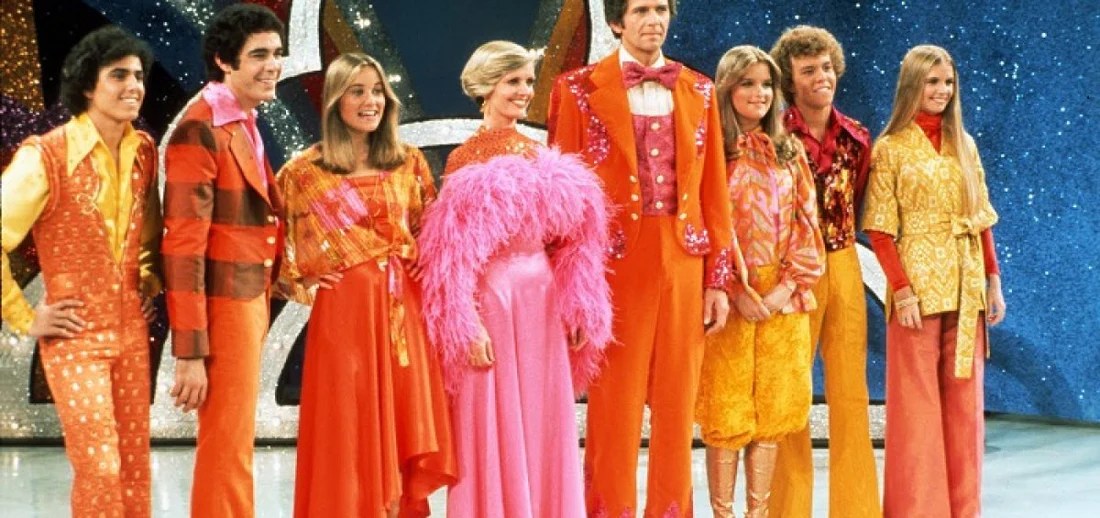
Then of course we have the 70s disco era, but this is also the time of individualism– much like how we see today. This idea of self-expression and Vogue stating that there are no rules to fashion is exactly what we see today. It’s a hodgepodge of all things fashion and anything goes. According to the Vogue article listed below, there were punk styles, disco styles, Saint Laurent and Karl Lagerfeld were beginning to rise, Ralph Lauren and the western style, hippie was still around, pants, Ultrasuede, femme fatales, and more. More is more when it comes to what kind of style you want to have, for a lack of better words, because the options were starting to become limitless.
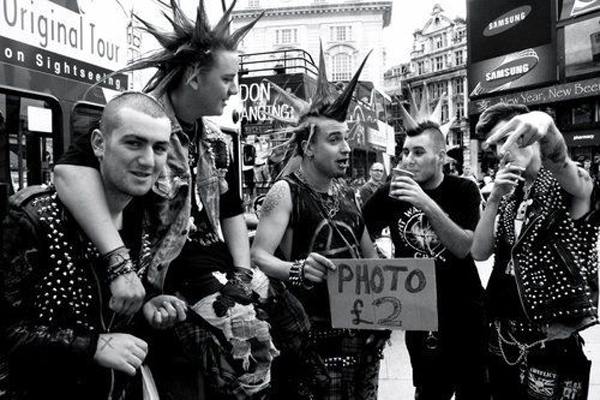
As early as the 80s Harajuku fashion from Tokyo had a major influence on maximalism. It is a combination of Lolita, funk, color, patterns, street, fairy, decora, gothic, etc. A Vogue article quotes Harajuku fashion as a “Fashion Gallery with a free entrance.” What is it that I keep repeating? Maximalism fashion is that of a performance, a spectacle, or even artwork. People in Tokyo STILL dress with Harajuku fashion because of the energy and influence it has. You can definitely see the incorporations of all the general aspects of what makes up maximalism fashion through these outfits.


90s and Beyond. Many brands cater to the maximalism fashion taste. However not all of them use it as their aesthetic like Schiaparelli. Since the 90s many brands and fashion houses have emerged that epitomize maximalism the same way Elsa, Harajuku fashion, even the way Marie Antoinette do. Some of these brands include Vivienne Westwood, Alexander McQueen (if you have not watched his documentary [available for $2.99 on Amazon Prime], I highly recommend you do), Gucci, Zimmerman, Anna Sui, Ganni, PH5, Pacco Rabonne, Love Shack Fancy (for you, Marie Antoinette), Chopova Lowena, Clara Pinto, L’Atelier de Charlotte, Fluevog, & Carel Paris for shoes, and so many more.
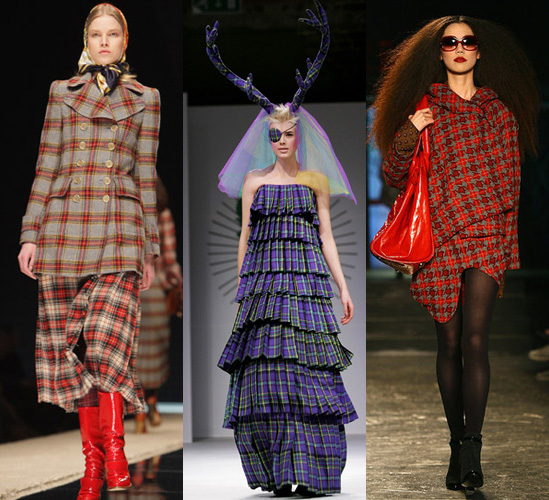

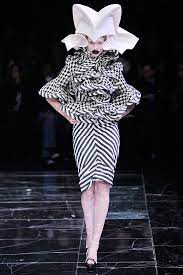
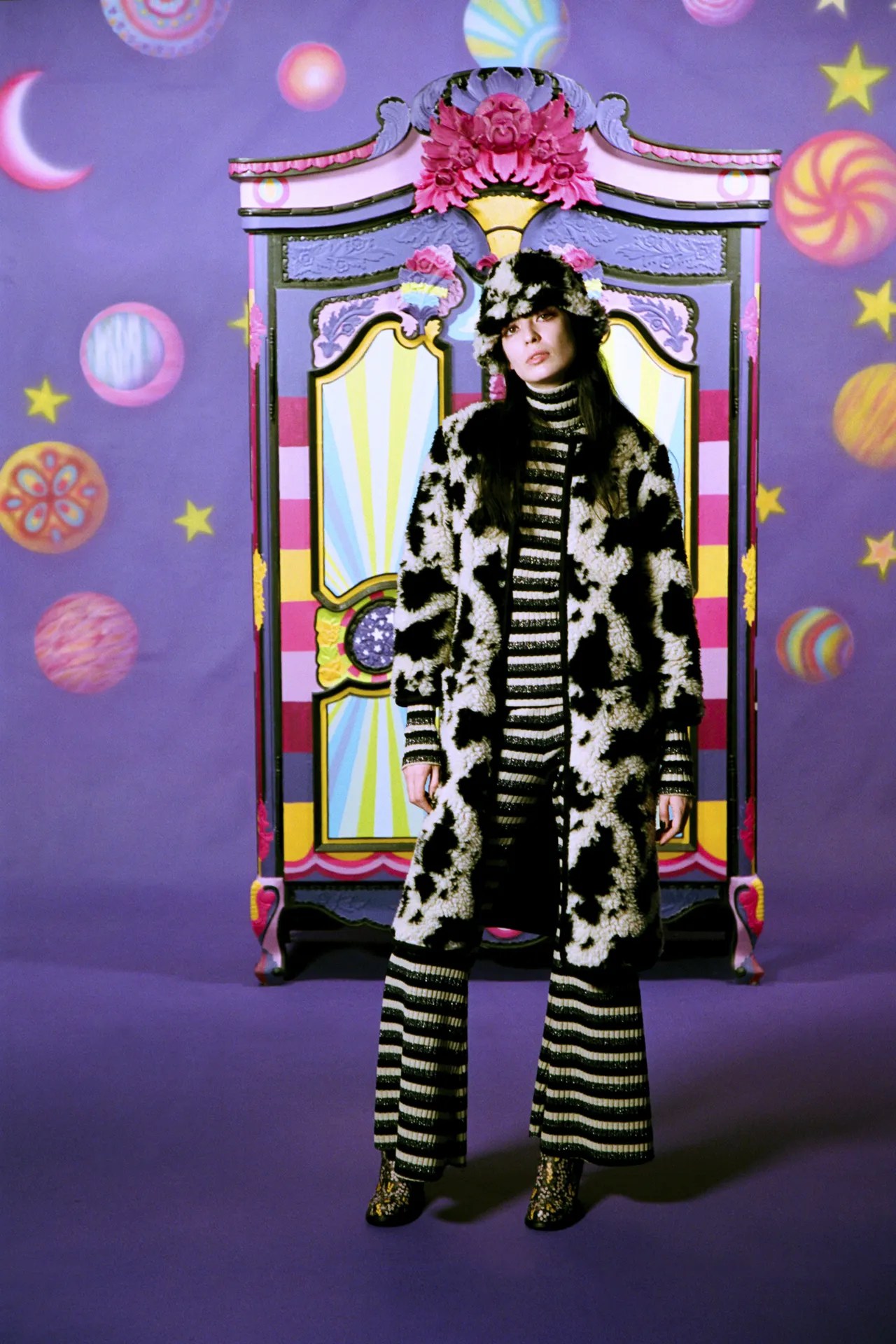
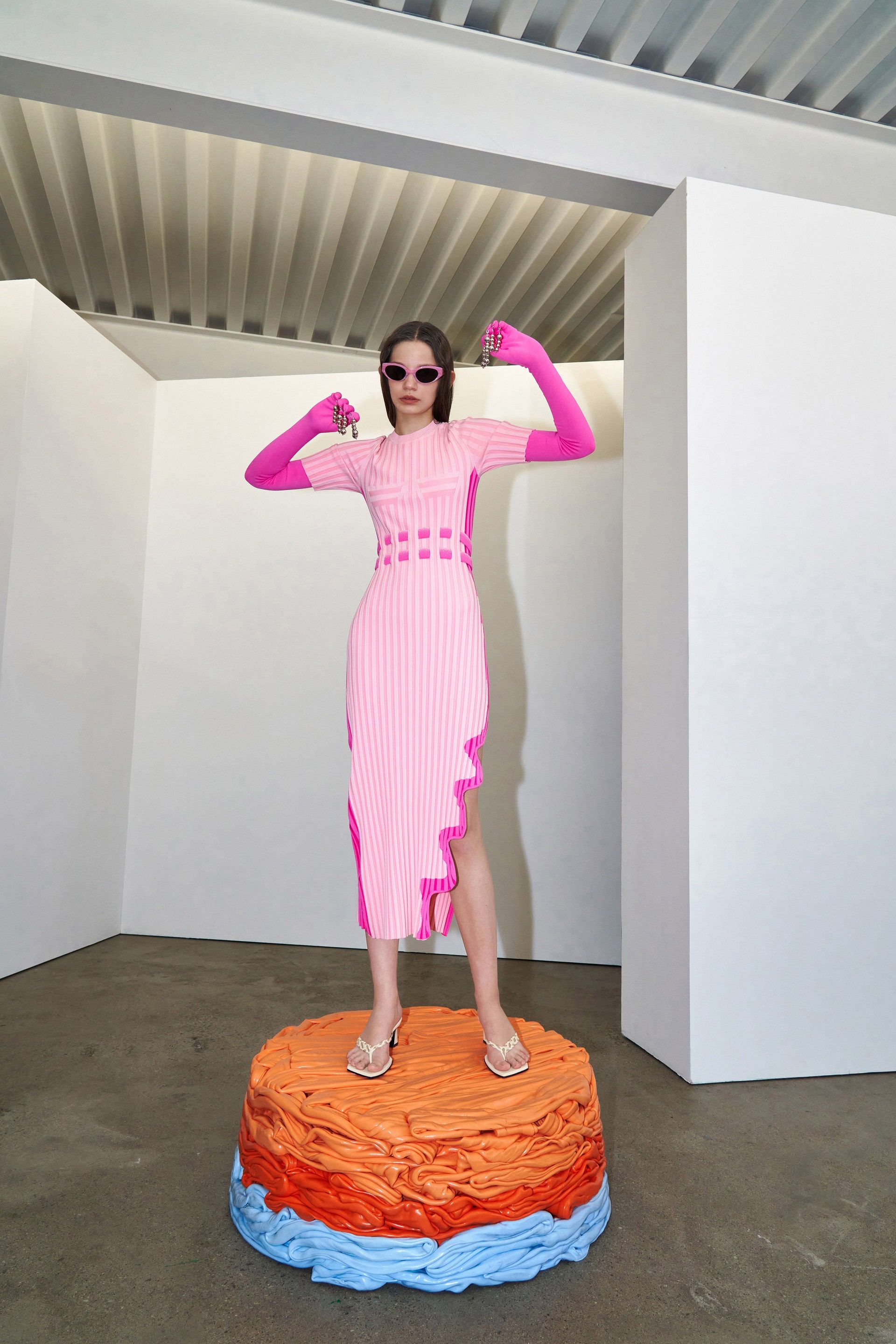
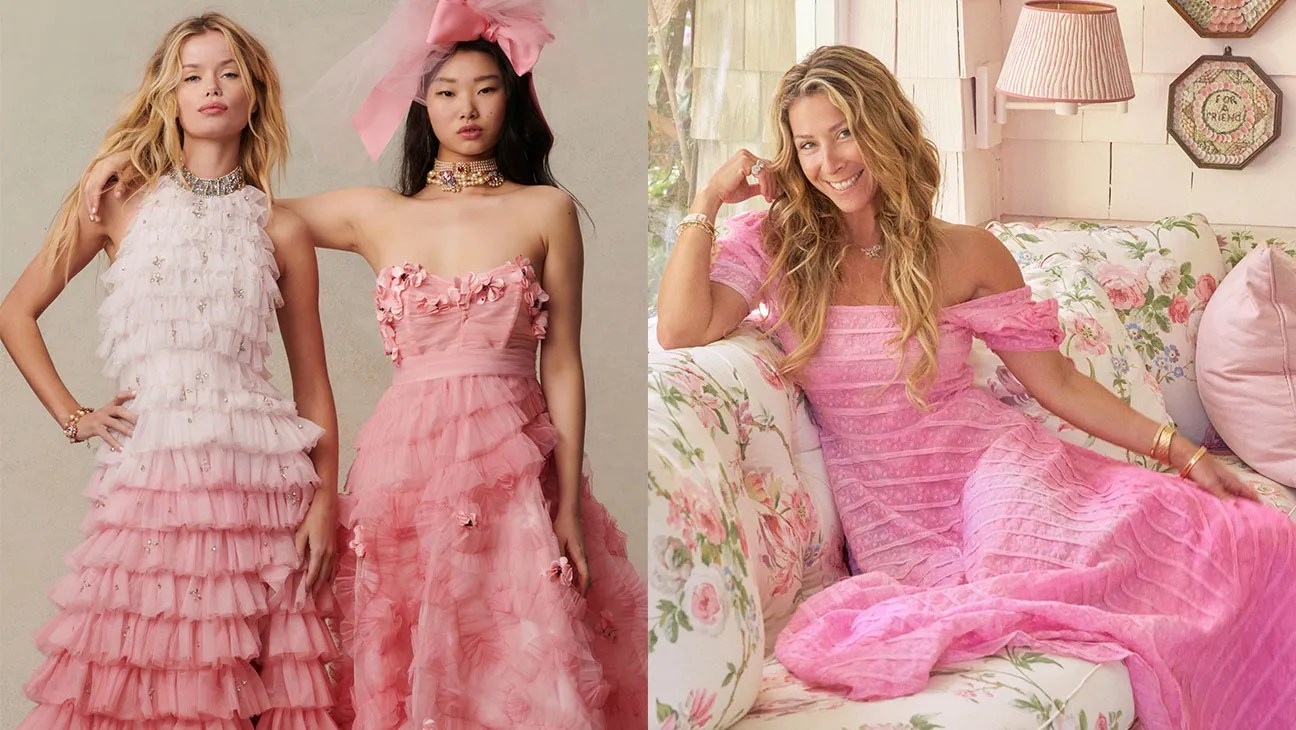
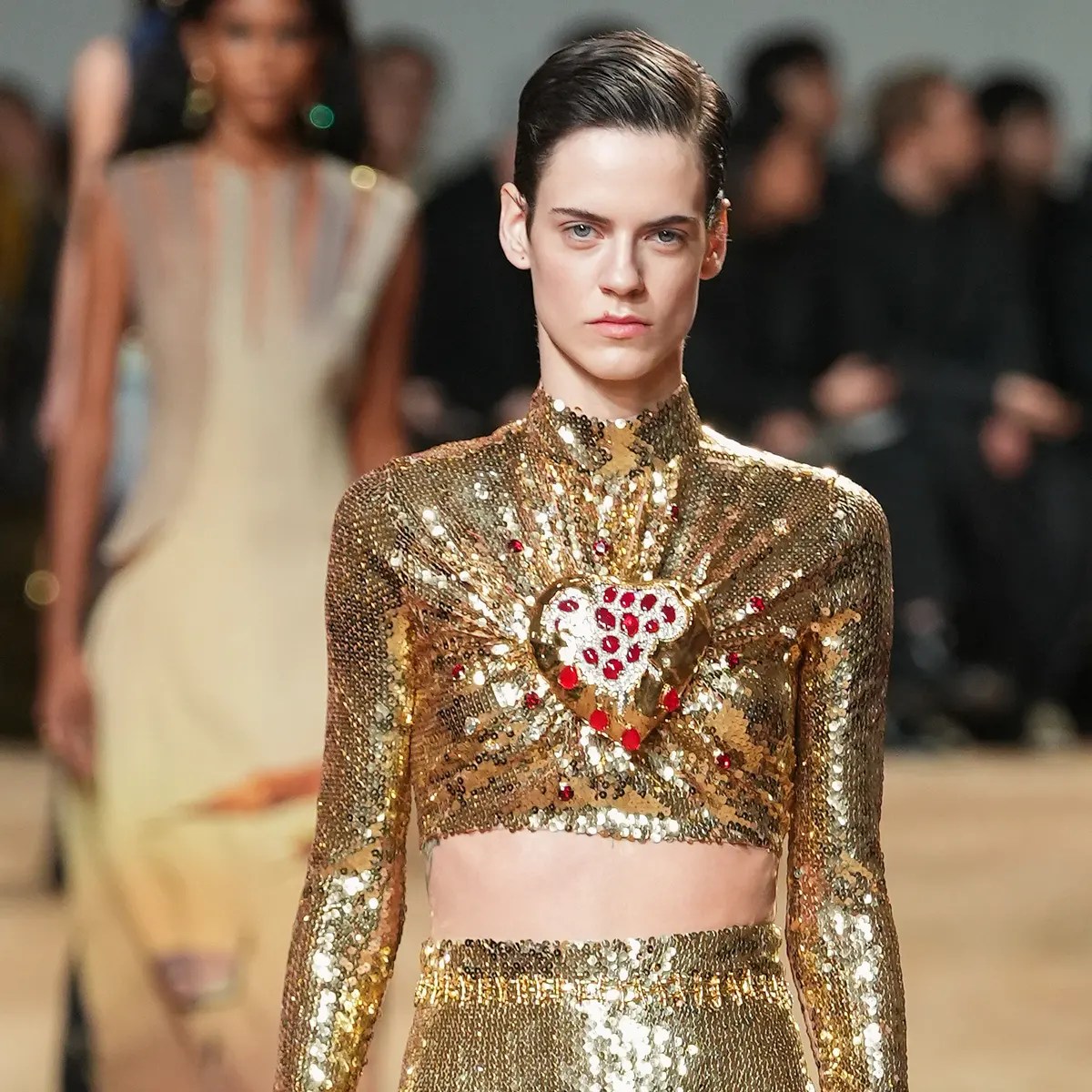

Best suggestion? Find content creators you love on social media and figure out where they are shopping! My favorites are actually in the photos I used for a lot of the content today. @ afashionnerd and @ evelilycp . Although I will say a lot of the times, I cannot afford the items they have. #Iamabrokeyoungadult
So now that you have all sorts of images, ideas, concepts, brands, and knowledge, it is time for you to search and see what YOUR interpretation of “maximalism” fashion is! Get creative, Get bold, Have fun… and remember… More is in fact, More.
Works Cited:
Garcia-Furtado, L. (2023, July 14). Street style in Tokyo: “Harajuku is like a fashion gallery with a free entrance.” Vogue. https://www.vogue.com/article/street-style-harajuku-tokyo
MasterClass. (2022, November 4). Maximalist fashion: 5 Maximalism style tips – 2023. https://www.masterclass.com/articles/maximalist-fashion
Nitschke, L. (2021, December 14). Marie Antoinette: History’s controversial fashion queen. TheCollector. https://www.thecollector.com/marie-antoinette-controversial-fashion-queen/
The New York Times. (1979, December 30). Fashion view. Fashion View. https://www.nytimes.com/1979/12/30/archives/fashion-view-decoding-the-styles-of-the-70s.html
Written by: Rylee Sage Reed on November 15, 2023

Leave a Reply